“When you start to engage with a community of others with the condition, the more you learn, the stronger you can be and the better you can be at advocating.”
— Fin, parent of son living with FCSSee Fin and Devon’s story

FCS is a very rare condition, but you’re not alone. Learn about ways others are managing this condition in their everyday lives.
Not an actual patient.
Here are 9 ideas from an expert panel of registered dietitians that may help lower triglyceride levels.
*Appropriate daily fat intake depends upon the individual. Consult your doctor or a licensed dietitian for guidance.
Eating small amounts of the following example foods may help ensure you consume essential healthy fats:
Medical-grade MCT oil doesn’t increase triglycerides in people with FCS. There are different kinds of MCT oil available that might help meet the dietary needs of someone living with FCS. You can ask your doctor or dietitian to help you find the one that’s best for you and prescribe it for you.

Great sources of protein that are low in fat include lean chicken, lentils, non-fat dairy like yogurt or cheese, shrimp, tuna, and turkey. See the table for the fat and protein content in a typical serving size.
| Food | Serving Size | Fat | Protein |
|---|---|---|---|
| Lean Chicken | 3 ounces | 3.8 grams | 26.4 grams |
| Lentils | 1 cup | 0.8 grams | 17.9 grams |
| Non-fat Cheese | 1 ounce | 0 grams | 9.1 grams |
| Large Shrimp | 6 pieces | 0.6 grams | 7.5 grams |
| Tuna | 3 ounces | 0.8 grams | 16.5 grams |
| Ground Turkey, fat free | 3 ounces | 2.3 grams | 27 grams |
Complex carbohydrates include:
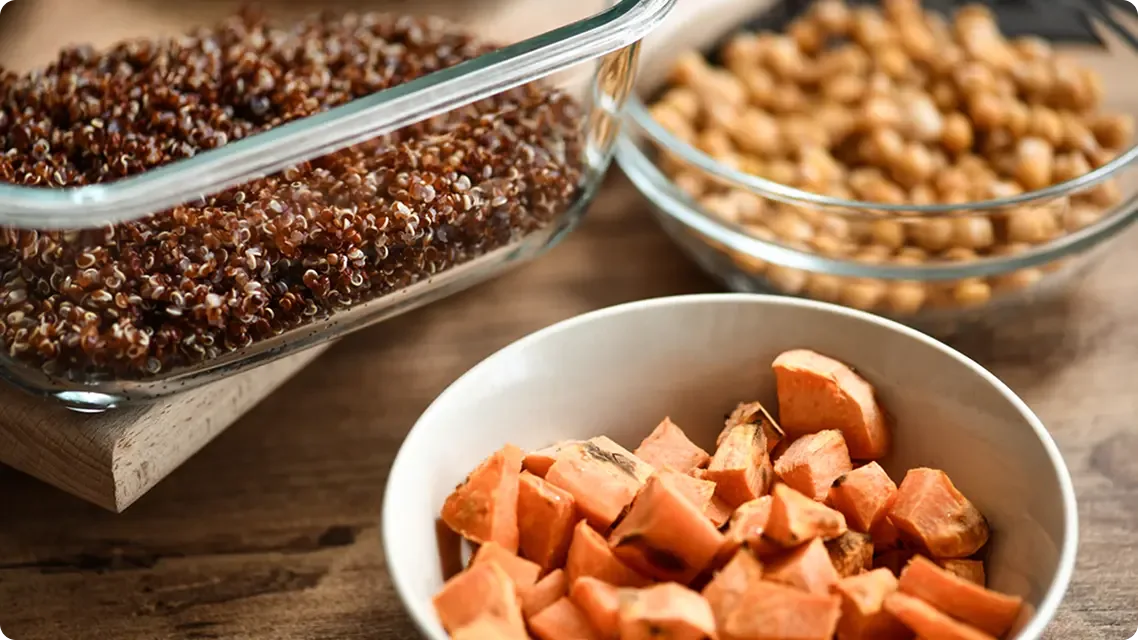
The main food sources for fat-soluble vitamins are animal fats, vegetable oils, dairy foods, liver, and oily fish. Your body needs these vitamins, but these foods may have too much fat content for a person living with FCS. Consider talking to your doctor about checking levels of these vitamins and any potential supplements you may need.
Minerals, such as calcium and iron, are found in meat, fruits, and vegetables. You may be able to get what your body needs in an extremely low-fat diet.

These include vegetables, whole grains, legumes, fat-free dairy, and lean proteins. Avoid added sugars, desserts, sugary drinks, fruit juices, high-fat cooking oils, and foods made with fats or oils. People living with FCS have an extremely low-fat diet that only allows 15-20 grams of fat per day.
Examples of nutrient-dense foods within fat limit:
Vegetables
Whole grains
Legumes
Fat-free dairy
Lean proteins
Typical dietary recommendations for people living with FCS:
Include these:
Avoid these:
Drinking alcohol raises triglyceride levels.

While this is a general guideline for those living with high triglycerides, people with FCS should consult their healthcare team to create a personalized exercise plan.

This content is for informational purposes only and is not intended to be a substitute for professional medical advice. If you have very high triglycerides, you should talk to your doctor or professional healthcare provider about the diet and exercise plan that is right for you.
Because diet is one of the most important factors when managing FCS, cooking and dining out may become a major source of stress. But there are ways to enjoy cooking and dining out while maintaining your diet. Here are some tips for cooking and dining out on an FCS-friendly diet:

Whether it’s making food at home or going out to eat, planning your meals out allows you to choose low-fat options.

When you’re planning to dine out, try finding the menu online or calling ahead to make sure that there’s something available that fits your low-fat diet.

Give them a list of foods that you can eat. If that’s not an option, bring your own FCS-safe foods. Eating with friends is a social experience—FCS shouldn’t limit that.
“There’s cooking because you have to cook and you have to eat. And there’s cooking because you love food and you are excited by being able to provide food for yourself and for others, more than that, for others that they enjoy.”
—Fin, parent of child living with FCS

“He [my husband] brought in the concepts of cooking from scratch, from starting with what I can eat, rather than thinking about what I can’t eat, with trying to cook food that is from the ingredients I can eat.”
—Jill, living with FCS
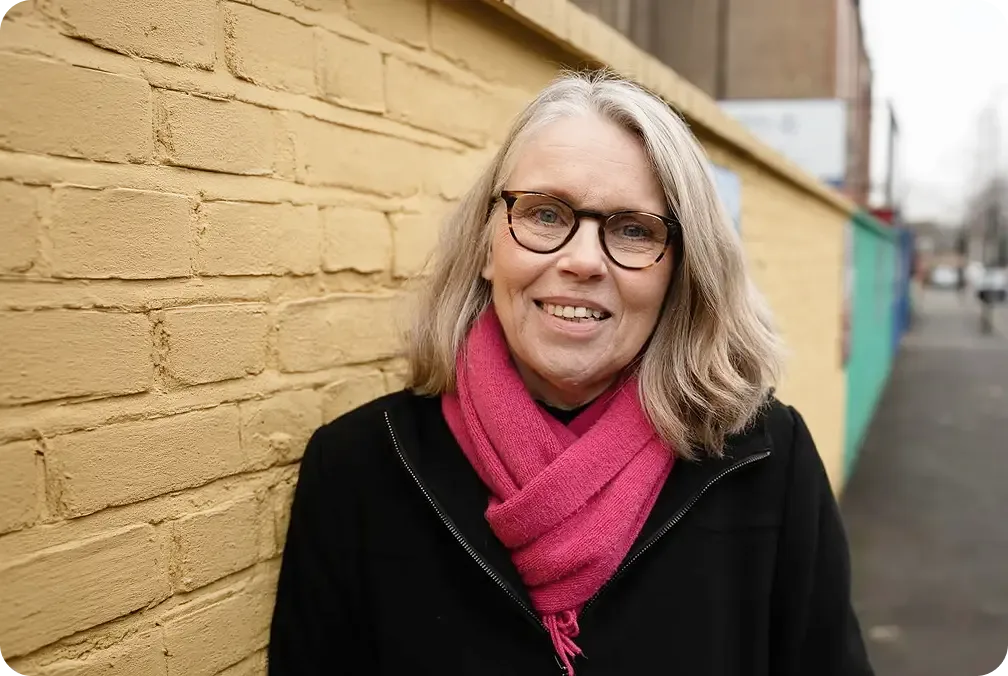
Although your dietary requirements can make traveling more difficult, they may not make it impossible. Talk to your doctor about how you can maintain your diet while traveling with very high triglycerides, like from FCS.

Not an actual patient.
If you have very high triglycerides, you may find it helpful to hear what others with very high triglycerides have learned along their journeys.

Not actual patients.
“When you start to engage with a community of others with the condition, the more you learn, the stronger you can be and the better you can be at advocating.”
— Fin, parent of son living with FCS
Not actual patients.
“There are a few things I’m proud of with Action FCS, one of which is the experience of bringing patients together. And I have many messages from individual patients telling me how meeting a community is changing their lives.”
— Jill, living with FCS
Not actual patients.
“To help avoid stigma or misdiagnosis, I hand carry a provider letter saying, ‘This patient is under my care. She’s not lying. This is what she has. This is what needs to happen.’ Signed by my provider, it cuts through so much red tape.”
— Fin, parent of son living with FCS
Not actual patients.
“If you feel like you don’t have a voice, find someone who will be your voice for you on your behalf.”
— Scott, living with FCS
Image not actual patients.
“We had mental health support, which I think is absolutely critical for anyone with FCS. Like anything that’s rare that makes you different, it can be an isolating thing.”
— Fin, parent of son living with FCS
Image not actual patients.
“Everybody was delighted to have found somebody else who had the same condition to talk, and to exchange stories, and to validate their experiences, their feelings, work out what was to do with FCS and what was to do with just being them.”
— Julie, living with FCSManaging very high triglycerides may be an emotional challenge as well as a physical one. Emotional support from family, friends, and patient organizations may reduce stress and empower people with FCS. You don’t need to bear the burden alone.
“Once I finally had a diagnosis and got close to figuring it out, I jumped both feet in into finding people that had this disease as well because I had been on an island by myself for so long. Just the thought of knowing that there is someone else in this world that has this same thing was very comforting to me.”
— Scott, living with FCS

“You deal with this thing where you start to have to learn a new language because I was told he had hepatosplenomegaly, which obviously meant nothing to me, but I found out it meant enlarged liver and spleen.”
— Fin, parent and caregiver to Devon, living with FCS
Organizations dedicated to supporting people living with FCS:
Helpful and informative downloadable fact sheets:
Emergency Room (ER)/Emergency Department (ED) Document:

Receive the latest news and insights about reducing triglycerides to <500 mg/dL.