
Understand acute pancreatitis risk
Continuing to do what you can to lower very high triglycerides (TGs) may help reduce your risk of acute pancreatitis.
Not an actual patient.
Very high triglycerides may lead to acute pancreatitis
Triglyceride levels over 880 mg/dL while fasting may be a sign of an underlying medical condition.
Very high triglyceride levels could be a sign of Familial Chylomicronemia Syndrome (FCS). A person may be diagnosed with FCS as a baby or young child, but some people may not have symptoms until they are adults. People with FCS see an average of 5 doctors before they are finally diagnosed.
Whether caused by FCS or not, living with untreated very high triglyceride levels increases the risk of acute pancreatitis—a serious, potentially life-threatening condition often requiring hospitalization.
An increasing risk of acute pancreatitis
Acute pancreatitis from high triglycerides is often more severe and deadlier than other causes of acute pancreatitis. Even one event can greatly increase the chance of another in the future. Repeated flares can damage the pancreas, leading to chronic pancreatitis and other serious life-threatening complications.
What is FCS?
Familial Chylomicronemia Syndrome (FCS) is a rare disease that impacts what you can eat and how you feel.
When you have FCS, your body has a problem breaking down triglycerides, a kind of fat that comes from the food you eat and is stored in chylomicrons.
Lipoprotein lipase (LPL) is a protein that normally works to break down triglycerides from your blood. In people with FCS, LPL doesn’t work properly.
Triglycerides build up in your blood instead of breaking down, leading to very high triglyceride levels.
People with FCS have triglyceride levels 10 to 100 times higher than normal. When your body has too many triglycerides in your blood, it can cause problems such as:
- Acute pancreatitis
Acute pancreatitis
Acute pancreatitis is an inflammation of the pancreas that typically causes sudden, severe upper abdominal pain, sometimes radiating to the back.
- Enlarged liver and/or spleen
Enlarged liver and/or spleen
Swelling of the liver and/or spleen due to fat buildup.
- High blood pressure
- Physical weakness
- Fatigue
- Nerve pain or numbness in your hands and feet
- Diabetes
- Bloating
- Indigestion
- Eating disorders
- Problems thinking
Problems thinking
Difficulty concentrating, impaired judgment, brain fog, and forgetfulness.
- Eye problems
Eye problems
Lipemia retinalis: Blood vessels in the retina appear thin and creamy white or salmon-colored.
- Fatty lumps on your body
Fatty lumps on your body
Eruptive xanthomas: Firm, raised, and waxy-appearing bumps on the torso or extremities.
How old were you when you were diagnosed with FCS or very high triglycerides?
Please select your response. Your answer is confidential.
Thank you for your response.
This information will help shed light on the challenges faced by people living with very high triglycerides.
Hear from others living with FCS BackPeople living with FCS struggle with similar issues
Percentage of people reporting the impact of an FCS restrictive diet on life:
81%
Extremely time consuming
70%
Energy draining
53%
Ineffective at stopping all symptoms
Percentage of people reporting that FCS has a negative impact on aspects of life:
94%
Employment
58–66%
Emotional and mental well-being
68–82%
Social relationships
Result from an online, anonymous, quantitative survey of 166 people with FCS from 10 countries (Australia, Canada, Germany, India, Netherlands, Portugal, Spain, Sweden, United Kingdom, and the United States). Results were patient reported.
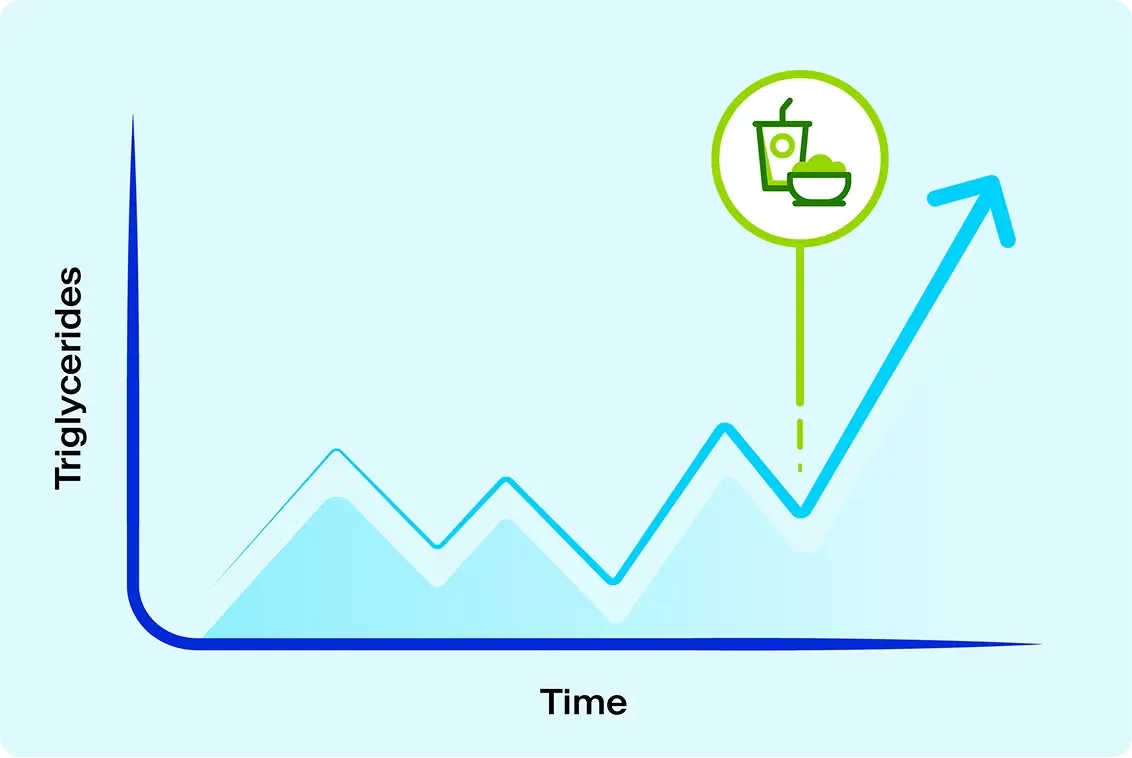
With FCS, meals may cause spikes in triglyceride levels
Triglycerides are a kind of fat that comes from the food you eat and are stored in chylomicrons. Just one meal may cause a spike in triglycerides that could sneak up on a person living with FCS and may cause acute pancreatitis.
Other risk factors that can cause spikes in triglycerides
In women, hormonal changes that can happen during pregnancy or from medications that have estrogen, like birth control, can increase triglyceride levels and the risk of experiencing symptoms and complications of FCS. For women with FCS, it is important to discuss all medications you take with your doctor.
Medications and clinical considerations that may increase triglyceride levels
Medications:
- Estrogen-containing medications like birth control
- Some medications used for high blood pressure
Clinical considerations:
- Pregnancy
- Chronic kidney disease
- Uncontrolled diabetes
- Puberty and menopause
Chylomicrons and the risk of pancreatitis
Your body creates particles called chylomicrons from fat in your diet. Chylomicrons move triglycerides to where your body needs them.

A buildup of chylomicrons from dietary fat can overwhelm the body.
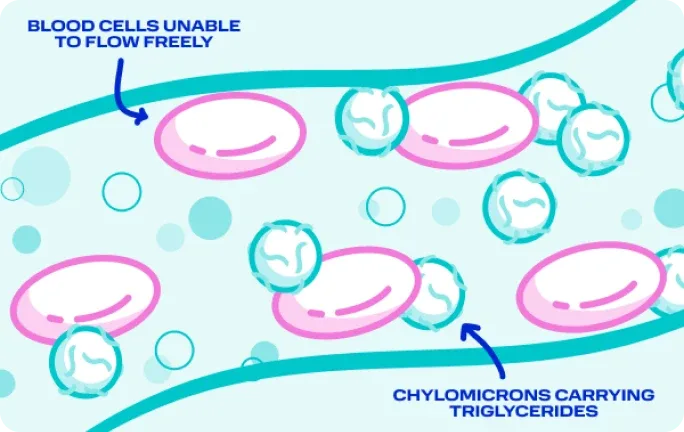
The sudden rise in chylomicron levels may reduce blood flow and trigger inflammation.
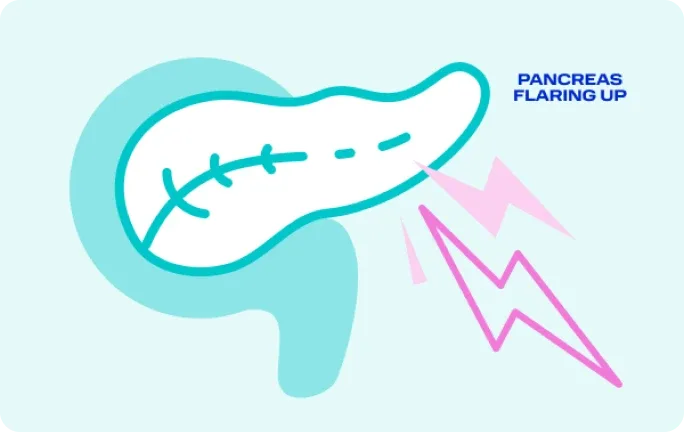
High levels of chylomicrons in the blood may cause pancreatic inflammation and flares.
Traditional options may not work
For some people, traditional therapies and strict diets aren’t enough to lower triglyceride levels or risk of pancreatitis.
Additional Support
Nutrition, exercise, and hydration are important for managing high triglycerides in your everyday life.