
Acute pancreatitis risk
What if we could reduce the risk of acute pancreatitis for people with extremely high triglycerides despite standard of care?
Extremely high triglycerides can cause acute pancreatitis
Consistent fasting triglyceride levels >880 mg/dL could be a sign of an underlying genetic disease.
In some people, extremely high triglycerides that do not respond to traditional triglyceride-lowering therapies could be caused by Familial Chylomicronemia Syndrome (FCS), a rare genetic disorder. Other people with extremely high triglycerides that do not respond to traditional triglyceride-lowering therapies may display clinical characteristics similar to FCS, but have no clear genetic cause.
Regardless of the cause, people with extremely high triglycerides that do not respond to traditional triglyceride-lowering therapies face a risk of acute pancreatitis, which is a serious complication that often requires hospitalization and can be fatal.

Expert guidelines support lowering triglycerides below 500 mg/dL to reduce the risk of acute pancreatitis.

What is FCS?
FCS is a rare, autosomal recessive disorder caused by genetic variants that impair lipoprotein lipase (LPL) activity. In unaffected individuals, LPL clears circulating triglycerides and chylomicrons from the blood shortly after a meal. In people with FCS, the loss of LPL activity leads to the accumulation of triglycerides and chylomicrons, resulting in fasting levels at 10x-100x the normal level that do not respond to traditional treatments.
Clinical manifestations of FCS, including treatment resistance and acute pancreatitis, can also have a multifactorial, polygenic cause.

People with triglycerides over 500 mg/dL, like those with FCS, are in an acute pancreatitis risk danger zone.
An increasing risk of acute pancreatitis
Acute pancreatitis caused by high triglycerides is often more severe than acute pancreatitis caused by other factors.
Identifying those at risk of acute pancreatitis caused by high triglycerides is critical—even one acute pancreatitis event can dramatically increase the chance of a future one. Multiple episodes of acute pancreatitis can damage the pancreas, leading to chronic pancreatitis and insulin-dependent diabetes.
Among people with triglycerides >500 mg/dL to ≤880 mg/dL, how much more likely is it for someone to experience an acute pancreatitis event if they’ve had 1 acute pancreatitis event in the past year vs someone who has not?*
Thank you for your response.
*Data from a national, retrospective study analyzing anonymized outpatient records of ~76 million patient records in the US from 2006-2020.
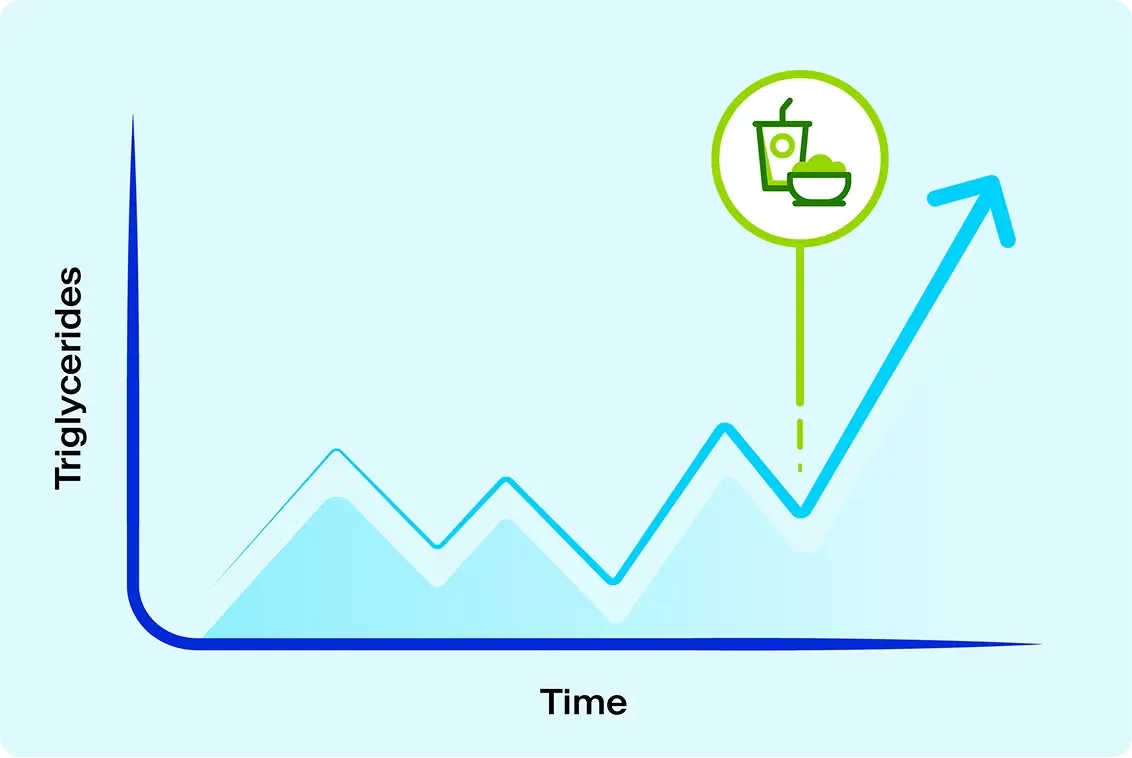
This chart is for demonstration purposes only.
The risk of unseen spikes in triglyceride levels
Chylomicrons are large triglyceride-rich lipoprotein particles derived mostly from dietary fat. In healthy individuals, chylomicrons are generally cleared from circulation within 3 to 4 hours after a meal.
People with extremely high triglycerides despite standard of care are unable to clear dietary chylomicrons, which causes triglyceride clearance to become saturated. Once clearance is saturated, chylomicrons from additional dietary fats can rapidly and drastically increase overall triglyceride levels.
Just one meal can increase acute pancreatitis risk
Accumulation of chylomicrons (chylomicronaemia) from dietary fat can increase acute pancreatitis risk after just one meal.
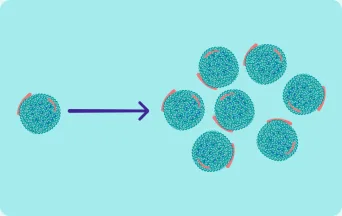
Triglycerides clearance can be saturated, and the body may be unable to clear additional dietary chylomicrons.
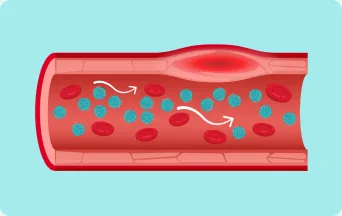
High levels of chylomicrons are thought to restrict blood flow and induce inflammation.
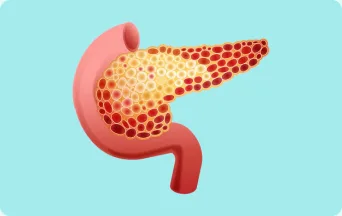
The pancreas may be particularly vulnerable to ischemic damage caused by high levels of chylomicrons.
Other risk factors that exacerbate high triglyceride levels
In addition to dietary factors, certain medications and clinical conditions can increase triglyceride levels and the risk of complications like acute pancreatitis.
In women, hormonal changes due to pregnancy increase triglycerides and can lead to or exacerbate symptoms of severe hypertriglyceridemia. For women with FCS, estrogen-containing medications such as oral contraceptives may worsen hypertriglyceridemia.
Medications and clinical considerations that may increase triglyceride levels

Medications:
beta blockers, thiazide diuretics, estrogen receptor agonists, and oral contraceptives

Clinical considerations:
pregnancy, puberty, menopause, chronic kidney disease, uncontrolled diabetes, and excessive alcohol intake
The risk of acute pancreatitis
Imagine if we could get more people with extremely high triglycerides to the recommended goal.
Expert guidelines support lowering triglycerides below 500 mg/dL to reduce the risk of acute pancreatitis. For people with FCS or those with a similar clinical presentation, traditional treatments may not consistently keep triglycerides below this important guideline.

There are few options to keep triglycerides in check
For some people, the use of traditional triglyceride-lowering therapies and intensive dieting are not enough to lower levels and reduce acute pancreatitis risk.

Sign up for updates and more information
Receive the latest news and insights about reducing triglycerides to <500 mg/dL.
Show References
- Virani SS, Morris PB, Agarwala A, et al. 2021 ACC expert consensus decision pathway on the management of ASCVD risk reduction in patients with persistent hypertriglyceridemia: a report of the American College of Cardiology Solution Set Oversight Committee. J Am Coll Cardiol. 2021;78(9):960-993.
- Chen B, Moin A, Virk HUH, Jneid H, Virani SS, Krittanawong C. Association of Cardiovascular Disease and Pancreatitis: what came first, the chicken or the egg? J Clin Med. 2023;12(22):7101.
- Chait A. Hypertriglyceridemia. Endocrinol Metab Clin North Am. 2022;51(3):539-555.
- Grundy SM, Stone NJ, Bailey AL, et al. 2018 AHA/ACC/AACVPR/AAPA/ABC/ACPM/ADA/AGS/APhA/ASPC/NLA/PCNA guideline on the management of blood cholesterol: executive summary: a report of the American College of Cardiology/American Heart Association Task Force on Clinical Practice Guidelines. Circulation. 2019;139(25):e1046-e1081.
- Handelsman Y, Jellinger PS, Guerin CK, et al. Consensus statement by the American Association of Clinical Endocrinologists and American College of Endocrinology on the management of dyslipidemia and prevention of cardiovascular disease algorithm – 2020 executive summary. Endocr Pract. 2020;26(10):1196-1224.
- Paquette M, Bernard S, Hegele RA, Baass A. Chylomicronemia: differences between familial chylomicronemia syndrome and multifactorial chylomicronemia. Atherosclerosis. 2019;283:137-142.
- Shamsudeen I, Hegele RA. Safety and efficacy of therapies for chylomicronemia. Expert Rev Clin Pharmacol. 2022;15(4):395-405.
- Gaudet D, Brisson D, Tremblay K, et al. Targeting APOC3 in the familial chylomicronemia syndrome. N Engl J Med. 2014;371(23):2200-2206.
- Mszar R, Bart S, Sakers A, Soffer D, Karalis DG. Current and emerging therapies for atherosclerotic cardiovascular disease risk reduction in hypertriglyceridemia. J Clin Med. 2023;12(4):1382.
- Falko JM. Familial chylomicronemia syndrome: a clinical guide for endocrinologists. Endocr Pract. 2018;24(8):756-763.
- Faghih M, Singh VK. Do elevated triglycerides truly trigger acute pancreatitis? Dig Dis Sci. 2019;64(3):616-618.
- Sanchez RJ, Ge W, Wei W, Ponda MP, Rosenson RS. The association of triglyceride levels with the incidence of initial and recurrent acute pancreatitis. Lipids Health Dis. 2021;20(1):72.
- Goldberg RB, Chait A. A comprehensive update on the chylomicronemia syndrome. Front Endocrinol (Lausanne). 2020;11:593931.
- de Pretis N, Amodio A, Frulloni L. Hypertriglyceridemic pancreatitis: epidemiology, pathophysiology and clinical management. United Eur Gastroenterol J. 2018;6(5):649-655.
- Qiu M, Zhou X, Zippi M, et al. Comprehensive review on the pathogenesis of hypertriglyceridaemia-associated acute pancreatitis. Ann Med. 2023;55(2):2265939.
- Bittner V. Impact of gender and life cycle on triglyceride levels. Medscape. January 28, 2008. Accessed June 24, 2025. https://www.medscape.org/viewarticle/569070
- Lee J, Goldberg IJ. Hypertriglyceridemia-induced pancreatitis created by oral estrogen and in vitro fertilization ovulation induction. J Clin Lipidol. 2008;2(1):16.
- Davidson M, Stevenson M, Hsieh A, et al. The burden of familial chylomicronemia syndrome: results from the global IN-FOCUS study. J Clin Lipidol. 2018;12(4):898-907.e2.
- Javed F, Hegele R, Garg A, et al. Familial chylomicronemia syndrome: an expert clinical review from the National Lipid Association. J Clin Lipidol. 2025;19:382-403.
- Wong B, Ooi TC, Keely E. Severe gestational hypertriglyceridemia: a practical approach for clinicians. Obstet Med. 2015;8(4):158-167.
- Williams L, Rhodes KS, Karmally W, et al. Familial chylomicronemia syndrome: bringing to life dietary recommendations throughout the life span. J Clin Lipidol. 2018;12(4):908-919.
- Watts GF. Shooting the messenger to treat hypertriglyceridemia. N Engl J Med. 2024;390(19):1818-1823.